Map › Guides › Buying in Norway
How to buy a house in Norway as a foreigner
Norway does not ban foreigners from buying property. What matters more is the property itself: rural houses with a lot of land can fall under the concession rules, and some come with a duty to live there. And Norway's bidding system is fast and binding, so prepare before you bid.
Can a foreigner buy a house in Norway?
Yes. There is no general restriction on foreign buyers. The rules that affect rural buyers most are the same for Norwegians and foreigners: the Concession Act (konsesjonsloven) and local residence obligations (boplikt).
Concession (konsesjon): when do you need permission?
According to the Norwegian Agriculture Agency (Landbruksdirektoratet), most property purchases do not need a concession. Among others, these are concession-free:
- a built-up property of up to 100 decares (10 hectares) in total, with no more than 35 decares of fully or surface cultivated land;
- plots for housing and holiday homes;
- purchases from close family.
Larger properties, farms with more cultivated land and some forest properties need a concession from the municipality, which can attach conditions, including a duty to live on the property. Even when a purchase is concession-free, you often have to send a self-declaration (egenerklæring) to the municipality. On Cheapaco, several Norwegian smallholdings have very large plots; ask the broker whether a concession is needed before you bid.
Residence obligation (boplikt)
Some municipalities have a local regulation (often called a "zero limit" regulation, nullgrenseforskrift) to stop year-round houses from becoming holiday homes. If the property falls under it, the owner, or someone else, must be registered as living there, or you must apply for a concession to use it as a holiday home. Landbruksdirektoratet publishes a list of municipalities with such rules. Check this for every house you consider, because it decides whether you can use it as a second home.
How the purchase works
- Prospectus and viewing. Houses are sold by estate agents (eiendomsmegler). The sales prospectus usually includes a condition report (tilstandsrapport) by a building expert. Read it carefully.
- Bidding. Bids are submitted in writing through the agent, often during a short, intense bidding round after the viewing. A bid is legally binding once the seller accepts it, so arrange your financing and check concession and residence rules before you bid.
- Contract and completion. The agent prepares the contract and handles the settlement through a client account.
- Registration. The deed (skjøte) is registered with Kartverket, the Norwegian Mapping Authority, which keeps the land register.
Costs and taxes
- Document duty (dokumentavgift): 2.5% of the property's market value when the deed is registered. Source: Kartverket and the Storting's decision on document duty for 2026.
- Registration fee (tinglysingsgebyr): NOK 545 per document in 2026, for the deed and again for any mortgage document.
- Concession fee: if a concession application is needed, the municipality charges a fee.
- Annual costs: many municipalities charge property tax (eiendomsskatt), plus municipal fees for water, sewage and waste. Ask the agent for the figures for the specific house.
Financing
Norwegian banks lend mainly to residents with income in Norway. As a non-resident, plan to finance from home or in cash, and remember that prices are in Norwegian kroner.
Living in your Norwegian house
Norway is not in the EU, but it is in the EEA and the Schengen area. EU and EEA citizens can live there under EEA rules after registering. Others, including UK and US citizens, can usually stay up to 90 days in any 180-day period, and need a residence permit from the Directorate of Immigration (UDI) for longer stays. Owning a house is not a basis for a residence permit.
Where to look
Browse cheap houses in Norway: Innlandet, Trøndelag and Nordland, or see Norwegian houses by the sea and houses in Norway under €100,000.
Official sources
Cheap houses in Norway right now
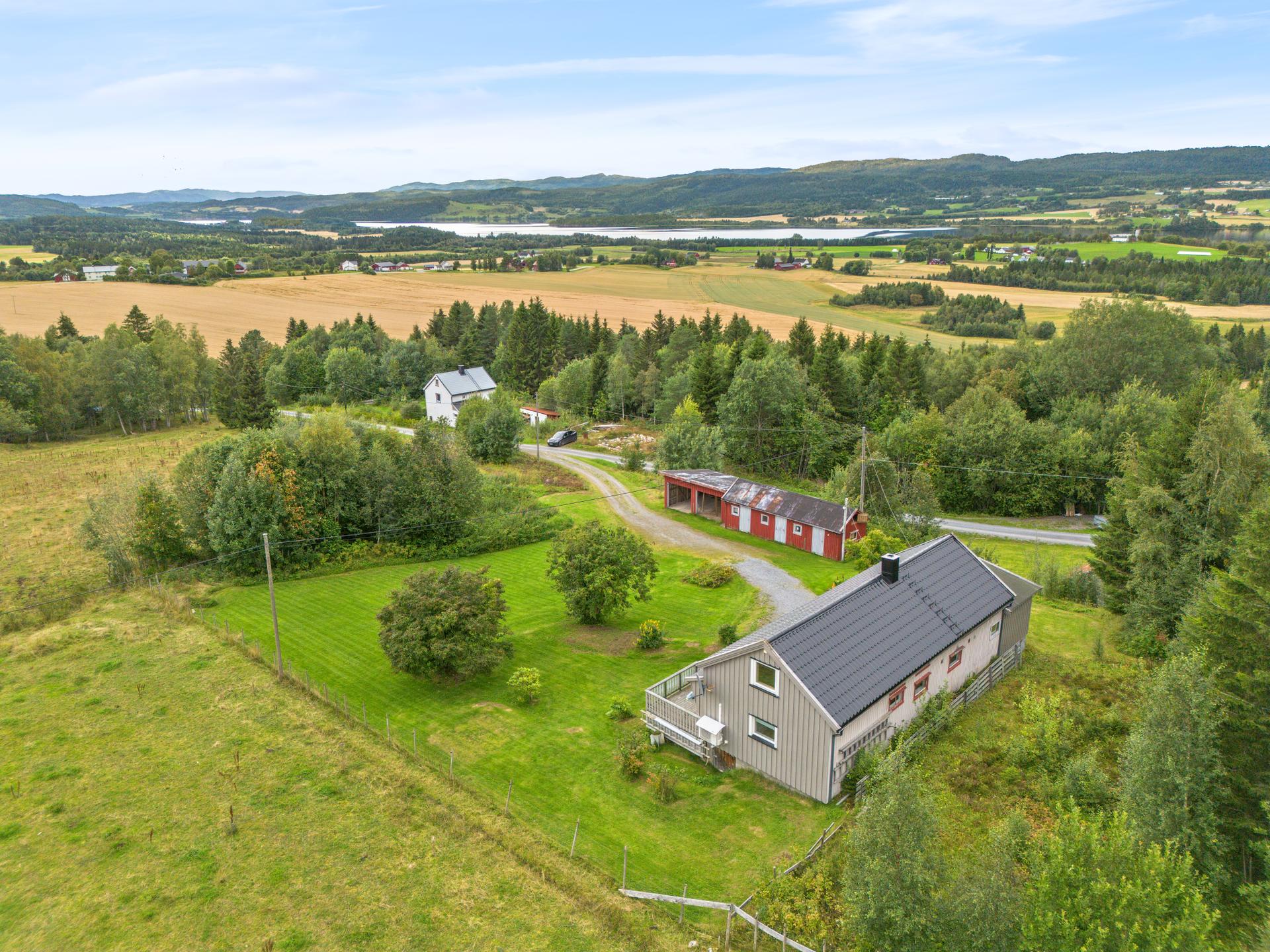
€66 114 690 000 NOK
Hillside house with views near Steinkjer
Steinkjer, Trøndelag, Norway
106 m² · 2 647 m² plot · 4 rooms
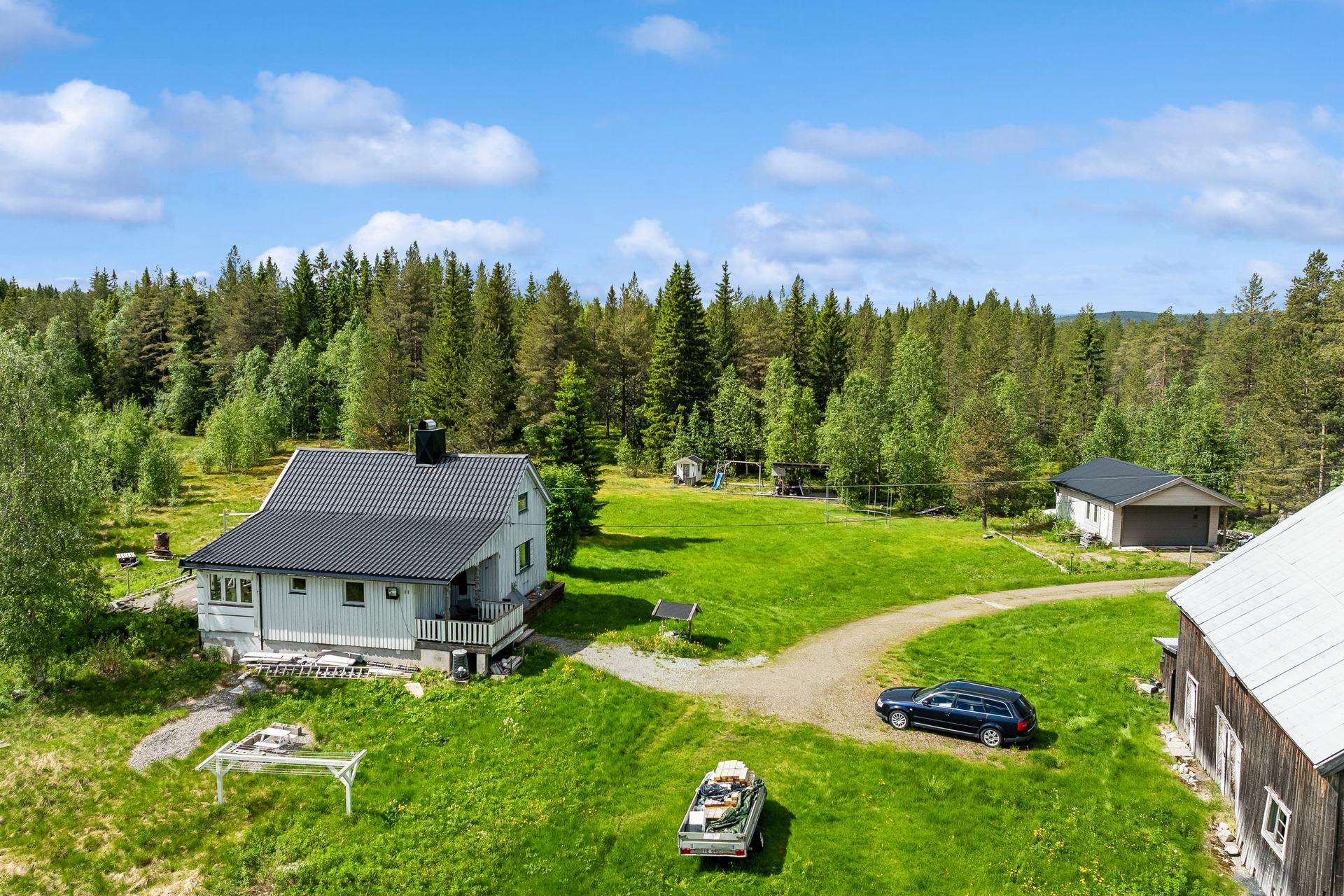
€66 912 690 000 NOK
Smallholding in Slettås with 91,963 m² of land
Trysil, Innlandet, Norway
111 m² · 91 963 m² plot · 4 rooms
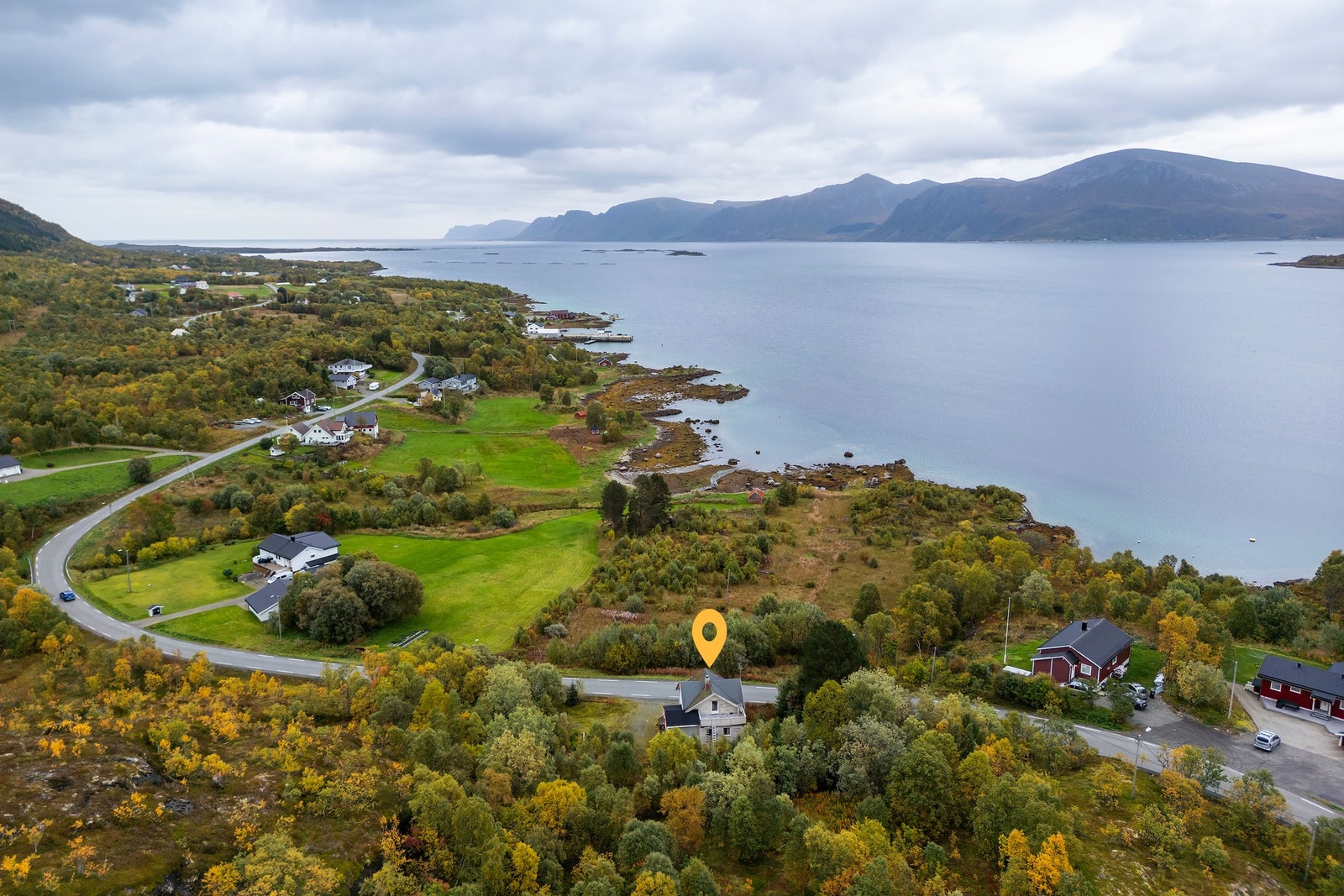
€72 731 750 000 NOK
House by Lifjorden with almost 200,000 m² of land
Øksnes, Nordland, Norway
103 m² · 199 672 m² plot · 4 rooms